When the original equipment manufacturer (OEM) warranty is nearing expiration, many organizations assume renewing with the manufacturer or losing support completely are the only options. In reality, there are other options to continue support for your infrastructure.
Third‑party maintenance (TPM) has become a practical way to extend the life of existing infrastructure while reducing maintenance costs. But before deciding which approach is right for your business, it's important to understand what third‑party maintenance is and how it differs from OEM support.
What Is Third‑Party Maintenance?
Third‑party maintenance is hardware support provided by a company other than the OEM. Instead of purchasing maintenance directly from the manufacturer, organizations partner with a third‑party provider to support their servers, storage, networking equipment, and other data center hardware.
Unlike OEMs, many TPM providers can support equipment from multiple manufacturers under a single maintenance agreement. This allows businesses to simplify support while continuing to use hardware that still meets their performance needs. TPM is also an option when your OEM support reaches the end of life (EOL) and is no longer supported. Instead of buying new hardware because your current hardware is no longer eligible for extended OEM warranty/support, you can purchase a flexible TPM warranty that meets your needs.
xByte ServAssist provides third‑party maintenance services for enterprise IT infrastructure, helping organizations extend hardware lifecycles through flexible maintenance agreements, experienced technical support, and customized service options.
What Is an OEM Warranty?
An OEM warranty is the support and maintenance provided by the company that manufactured the equipment, such as Dell Technologies.
OEM warranties typically include hardware repairs, replacement parts, and technical support during the warranty period. Many OEMs offer extended or renewal options after the initial warranty expires on newer systems.
However, as equipment gets older, renewal costs often increase. Eventually, some systems reach End of Service Life (EOSL), and the manufacturer no longer provides support or maintenance, even though the hardware may still meet your organization's performance requirements.
Third‑Party Maintenance vs. OEM Support
Both OEM and TPM warranties are designed to keep your infrastructure running. The biggest difference is who provides support and how flexible that support can be.
| OEM Warranty | ServAssist Third‑Party Maintenance |
|---|---|
| Support from the original manufacturer | Independent support from ServAssist |
| Coverage limited to the manufacturer's equipment | Support for multiple OEMs under one contract |
| Standard warranty and renewal options | Flexible service plans tailored to your environment |
| Support ends when the OEM discontinues coverage | Helps extend hardware life beyond OEM support |
| Often higher renewal costs as hardware ages | A cost‑effective option for mature infrastructure |
While OEM support can be the right fit for newer infrastructure, it isn't always the most cost‑effective choice as equipment ages. Many organizations find that once hardware is stable and no longer requires frequent firmware updates or manufacturer‑specific support, third‑party maintenance offers the flexibility to continue using reliable equipment without the cost of replacing it prematurely.
For organizations managing equipment from several manufacturers or trying to maximize the value of existing hardware, third‑party maintenance can provide greater flexibility without requiring an immediate hardware refresh.
Why Organizations Choose ServAssist
Organizations choose ServAssist for more than just cost savings. Our third‑party maintenance services are designed to simplify support, extend hardware lifecycles, and provide flexible maintenance options tailored to your environment.
ServAssist helps organizations support their infrastructure with:
- Flexible maintenance agreements
- Multiple‑vendor hardware support
- Access to experienced Level 3 and Level 4 engineers
- Fast replacement parts availability
- Custom service level agreements (SLAs)
- Centralized asset management for contracts, renewals, and support requests
Whether you're supporting a single location or multiple data centers, ServAssist makes it easier to manage hardware maintenance from one place.
When Does Third‑Party Maintenance Make Sense?
Third‑party maintenance is worth considering if:
- Your OEM warranty is about to expire.
- Your renewal quote is higher than expected.
- You have equipment from multiple manufacturers.
- You're postponing a hardware refresh to better align with your budget.
- Your hardware has reached End of Service Life but still meets your business needs.
Many organizations also use a hybrid approach, keeping newer systems under OEM support while moving older equipment to ServAssist. This helps balance cost, performance, and long‑term infrastructure planning.
Common Questions About Third‑Party Maintenance
Does TPM Replace an OEM Warranty?
Not exactly. Third‑party maintenance is typically used after an OEM warranty expires or when an organization decides not to renew the manufacturer's support. Instead of purchasing maintenance directly from the OEM, you receive hardware support from an experienced third‑party provider like ServAssist.
Can I Use Both OEM Support and Third‑Party Maintenance?
Yes. Many organizations take a hybrid approach by keeping newer systems under OEM support while moving older equipment to ServAssist. This allows businesses to control maintenance costs while continuing to receive the right level of support for the different hardware in their IT infrastructure.
Is TPM Only for Older Hardware?
No. While TPM is commonly used for post‑warranty equipment, it can also support infrastructure that continues to perform well but no longer requires manufacturer support. Many organizations choose third‑party maintenance to maximize the value of hardware that remains reliable and meets business requirements.
Does Third‑Party Maintenance Support Multiple Hardware Manufacturers?
One of the biggest advantages of TPM is the ability to support equipment from multiple OEMs under a single maintenance agreement.
Instead of managing separate contracts with different manufacturers, organizations can simplify support through ServAssist with one provider and one point of contact.
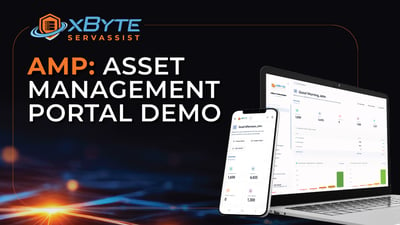
Also, with ServAssist TPM you can manage all of your assets in the asset management portal (AMP). Even if the hardware is under OEM, it can be added to the portal for one place to manage end dates. All brands and all contracts all in one place!
Does Switching to Third‑Party Maintenance Mean Replacing My Hardware?
No. Third‑party maintenance is designed to help organizations continue supporting hardware that still performs reliably. Instead of replacing equipment simply because the OEM warranty has expired, businesses can extend the life of their existing infrastructure while continuing to receive professional maintenance and support through TPMs like ServAssist.
Making the Right Maintenance Decision
OEM support can be the right choice for newer systems, especially when you're taking advantage of the latest firmware updates and features.
But if your infrastructure is performing well and continues to meet your needs, third‑party maintenance can be a smart way to reduce costs and extend the life of your investment.
With ServAssist, organizations gain flexible maintenance options, experienced technical support, and the confidence to keep critical infrastructure running long after the OEM warranty has expired.